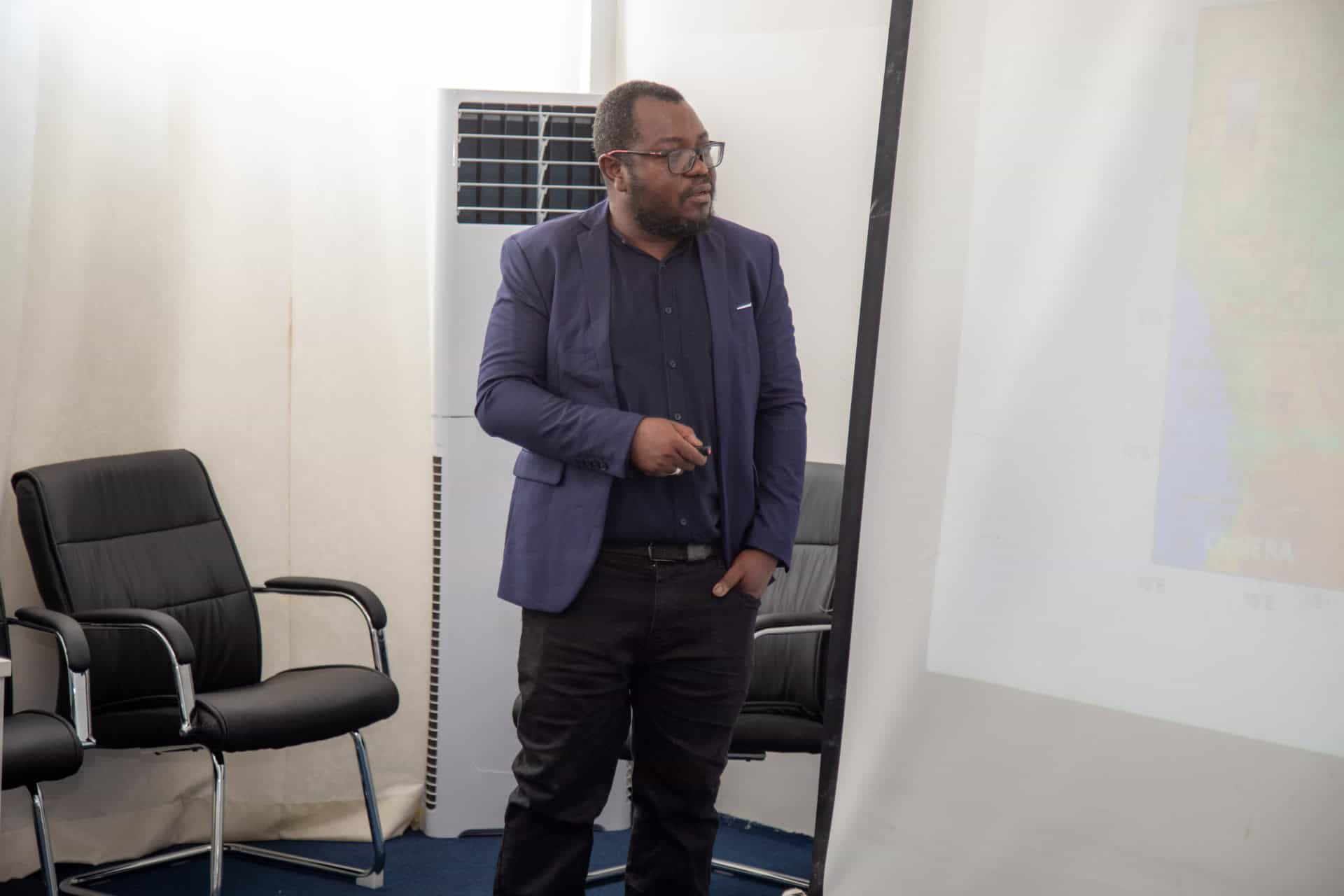
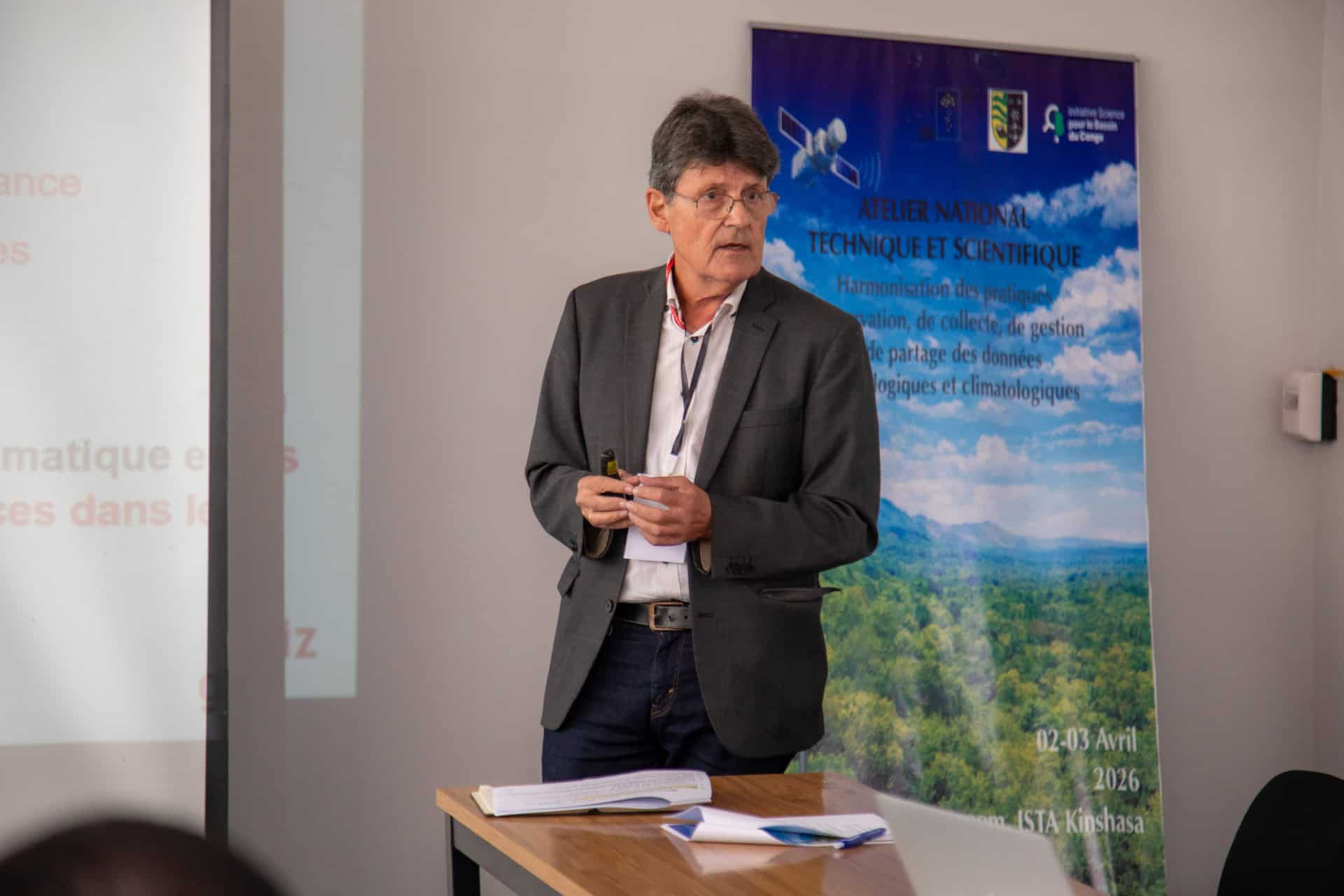
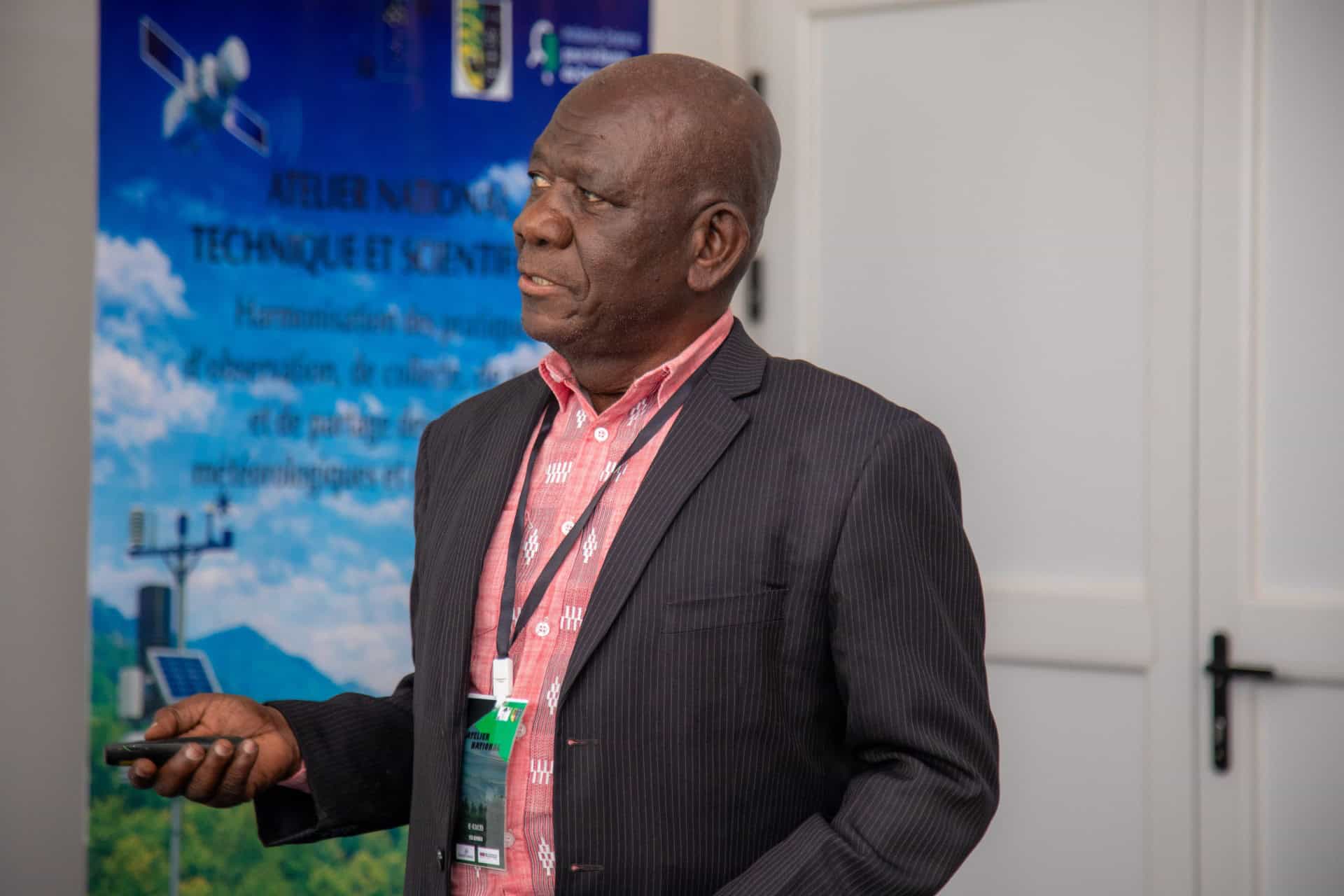
From 02 – 03 April 2026, the Institut Supérieur des Techniques Appliquées (ISTA), Kinshasa, hosted a national technical workshop, with support from the CRAFT–Sustainable Development and Congo-Flex programmes, funded by the UK FCDO and the Schmidt Science Foundation, respectively.
The workshop brought together key stakeholders from operational agencies, research institutions, universities, as well as technical and financial partners, to address critical gaps in meteorological and hydrological observations in the Democratic Republic of the Congo (DRC).
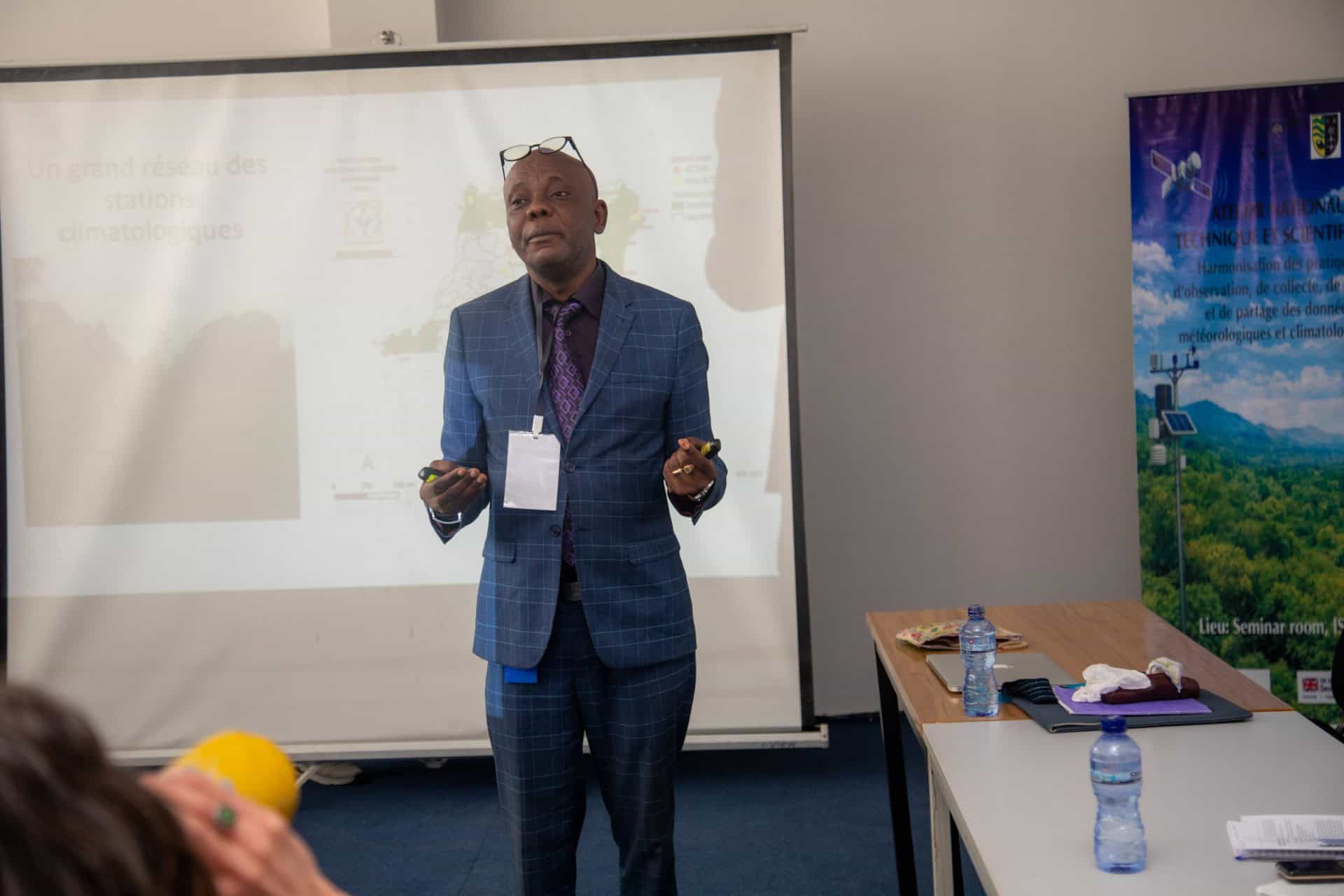
The Congo Basin remains one of the most observationally sparse regions in the world, limiting the capacity to understand climate processes, improve forecasts, and support risk-informed decision making. Despite past investments, many observation systems have struggled due to fragmentation in standards, governance, and long-term sustainability.
Following more than 20 technical presentations, a major outcome of the workshop was the emergence of actionable institutional commitments:
- Several operational agencies expressed their willingness to provide access to existing infrastructure (sites and technical facilities) to support the deployment and sustained operation of meteorological stations;
- Participants recommended that the expansion of the meteorological network be systematically coupled with isotope-based monitoring (e.g., stable water isotopes), to better constrain hydrological processes, including moisture sources, transport pathways, and land atmosphere interactions;
- Participants agreed on the need to establish harmonised technical standards for observations, quality control (QA/QC), and data sharing, ensuring consistency,
interoperability, and alignment with international frameworks.
The workshop also led to important technical orientations:
- Adoption of standardised temporal resolutions for meteorological and hydrological observations;
- Identification of key variables to be systematically measured across networks;
- The need for harmonisation of equipment and the development of a national inventory of existing stations;
- Strengthening the validation of satellite and reanalysis datasets through integration with in situ observations.
The workshop highlighted the urgent need to align national efforts with partner support. It recommended the organisation of a CBSI-led roundtable with technical and financial partners to mobilise resources and structure a large-scale programme for observation system development in the DRC. This workshop marks a critical step towards building a coherent, interoperable, and sustainable observation system in the DRC, aligned with international frameworks such as the WMO Global Basic Observing Network (GBON).