CBSI ❯ 2027
Integrating science across the Congo Basin and learning from the experience in the Amazon
Call for abstracts
Important Dates:
- Call for Abstracts: now open
- Call for Abstracts closes: 23 September 2026
- Registration opens: 16 September 2026
- Registration closes (subject to availability): 30 October 2026
Conference registration is separate from submitting an abstract. If you have an accepted abstract, you must register before the closing date to guarantee your place. All other registrations are on a first-come first-served basis.
Have a question?
If you cannot find the answer to your question on this page or under Abstract FAQs, contact the CBSI Secretariat and we’ll do what we can to answer it.
Call for Abstracts
We welcome submissions of abstracts for:
- Scientific research talks: These are 10 minute slots. Talks are seven-minute research presentations, with three minutes for questions. Talks will be grouped thematically. Given limited space, we will not be able to accept all talks. You may be offered a poster instead. In many ways, a poster is better than a talk as it is more interactive, and more likely to lead to new meaningful research collaborations. If you are applying for a talk, we encourage you to choose “research talk and poster”, given the value of posters. If you are selected for a talk, we encourage you to also present a poster, as this allows more interaction with your work.
- Scientific research posters: These are posters on your work, in a dedicated session, to maximise the number of people seeing your work. These will also be grouped thematically, to increase the number of people who interact with your work.
- Innovation and invention poster: These are posters on a specific innovation or application of research within one of our six themes, e.g. an app, a new piece of equipment, a start up, or another applied solution related to sustainable development in the Congo Basin. These will be presented in their own session.
- Other Sessions: This is a space to propose another session, which could be a longer presentation, a panel discussion, or other specific issue of relevance the Congo Basin Science Initiative Science and Capacity Plan. Given time and space constraints we may not be able to include your idea for a session in the programme, but we will consider all proposals.
Please decide if you wish to submit an abstract for a research poster or talk, innovation poster or another session. You should ensure that your topic fits within one of the themes. If you are applying for another session the topic should be related to the CBSI Science and Capacity Plan. You will need to apply via our online submission portal by 23 September 2026.
Why submit an abstract?
- To showcase your research.
- To integrate your work with science across the Congo Basin
- To learn about the latest research in the region and how it can inform policy.
- To participate in the co-design of major new research programmes, including data collection plans, across the Congo basin.
- To network with other scientists across disciplines and make new connections.
- To take inspiration from science in the Amazon
- To connect with stakeholders to make our research have a positive impact.
- To learn about CBSI and get involved.
- To be part of the vibrant research culture of the Congo Basin region.
Themes
Your abstract should fit within one of the following themes, which correspond to the six CBSI Observatories. This will allow your presentation to be grouped with others on similar themes, to increase the number of people who engage with your work. If your work is interdisciplinary, please choose the thematic area that most closely matches yours. If you have an abstract on work that can provide valuable lessons for the Congo Basin, please choose the most relevant thematic area. For example, work conducted in other tropical forests, African regions or environmental systems worldwide.
1
Climate & Meteorology
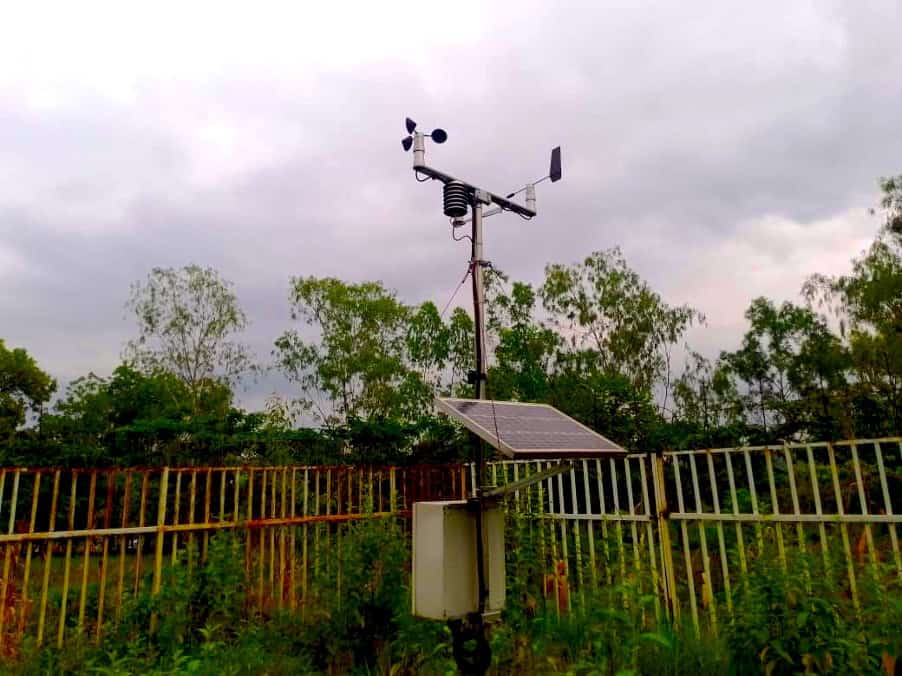
The Congo Basin plays a critical role in regulating regional and global climate through its influence on rainfall generation, moisture recycling, and energy exchanges between the land and atmosphere. This theme welcomes studies on climate variability and change, atmospheric processes, extreme weather events, climate modelling, meteorological observations, and climate adaptation. Research that advances understanding of the Basin’s contribution to rainfall production and future climate resilience is particularly relevant.
2
Hydrology & Freshwater
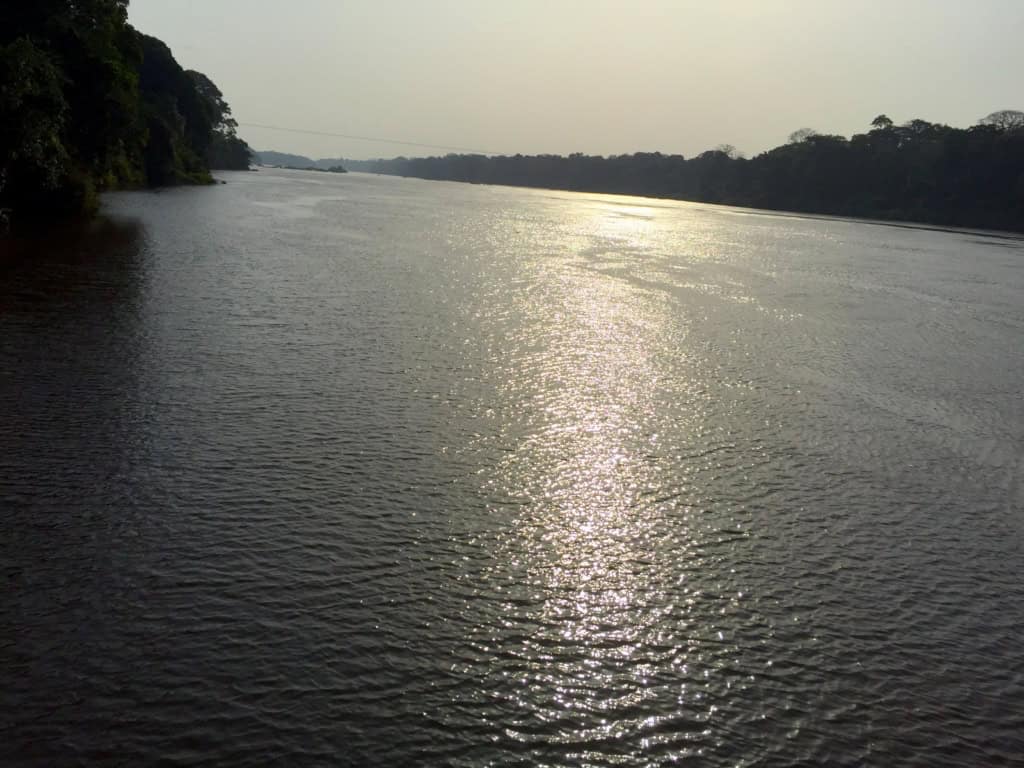
Water connects forests, wetlands, rivers, aquifers, ecosystems, and people throughout the Congo Basin. This theme seeks contributions that improve our understanding of hydrological processes, freshwater availability, floods and droughts, groundwater systems, wetlands, peatlands, river dynamics, water quality, and water-resource management. Studies employing field observations, hydrological modelling, Earth observation technologies, and integrated water assessments are encouraged.
3
Vegetation, Soil & Biogeochemistry
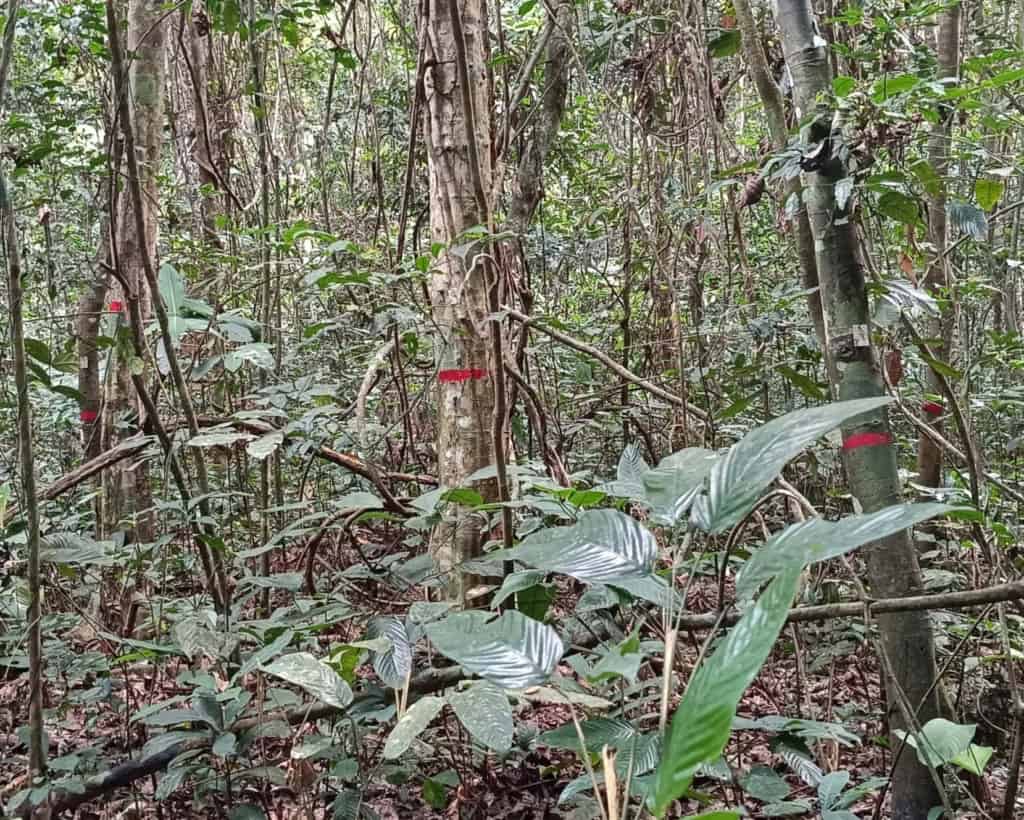
This theme focuses on the functioning of terrestrial ecosystems and their contribution to climate regulation and sustainable development. Contributions may include forest ecology, carbon cycling, soil processes, nutrient dynamics, ecosystem productivity, agroforestry systems, forest degradation, ecosystem restoration, greenhouse gas fluxes, and the ecosystem services provided by forests and tree-based systems, including carbon accounting. Research exploring interactions between vegetation, soils, water, and climate is encouraged.
4
Biodiversity
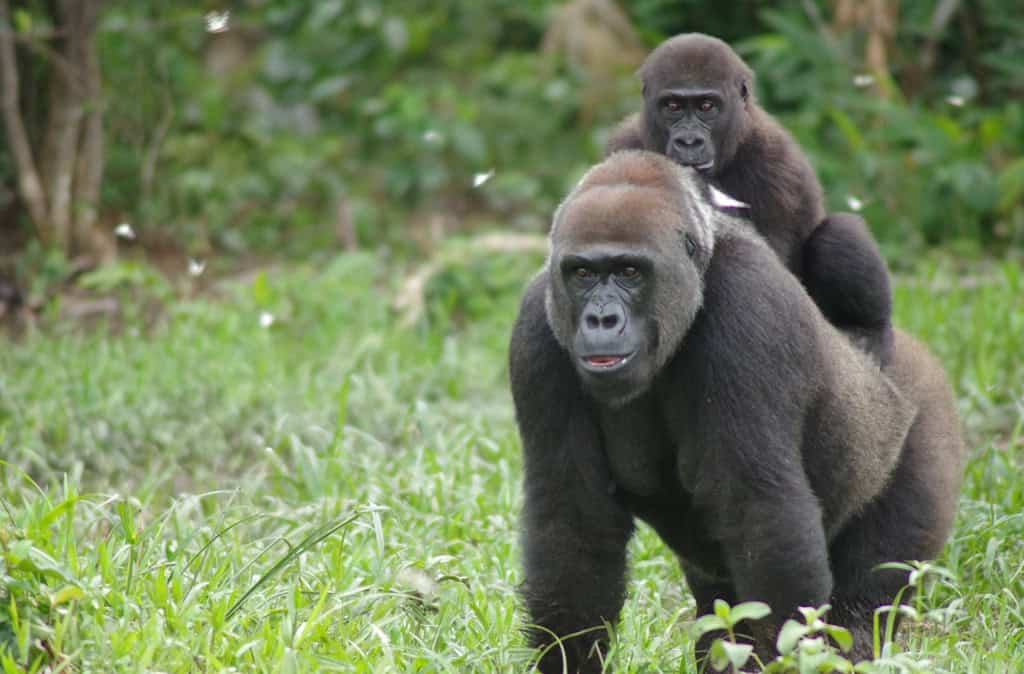
The extraordinary biodiversity of the Congo Basin underpins ecosystem stability, food security, livelihoods, and cultural values. Contributions may include terrestrial and aquatic biodiversity, ecosystem monitoring, wildlife ecology, fisheries, sustainable harvesting, conservation biology, biodiversity responses to land-use change, and the impacts of mining, infrastructure development, and climate change on biodiversity. Contributions addressing sustainable use of biodiversity resources and innovative biodiversity monitoring approaches are particularly encouraged.
5
Land Cover and Land Use Change
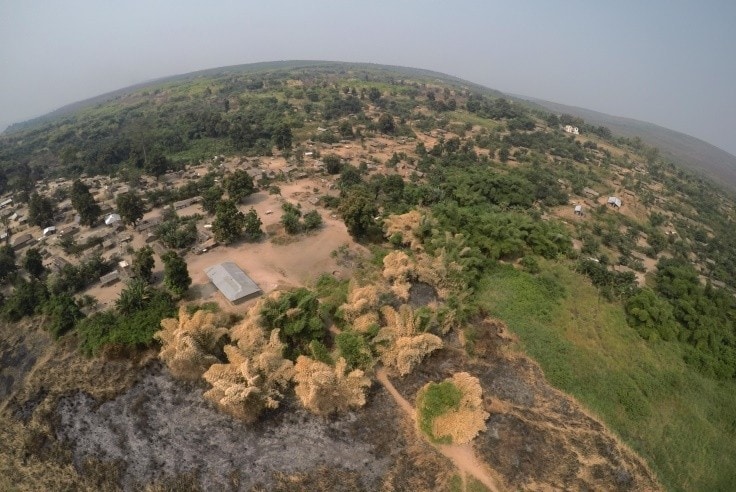
This theme focuses on understanding the drivers, patterns, and consequences of land-cover and land-use change in the Congo Basin. Contributions may include remote sensing applications, geospatial analyses, land use-change modelling, forest degradation, agricultural expansion, mining activities, urban growth, rainfall recycling, and assessments of policies and practices that promote sustainable land management.
6
Socio-ecology
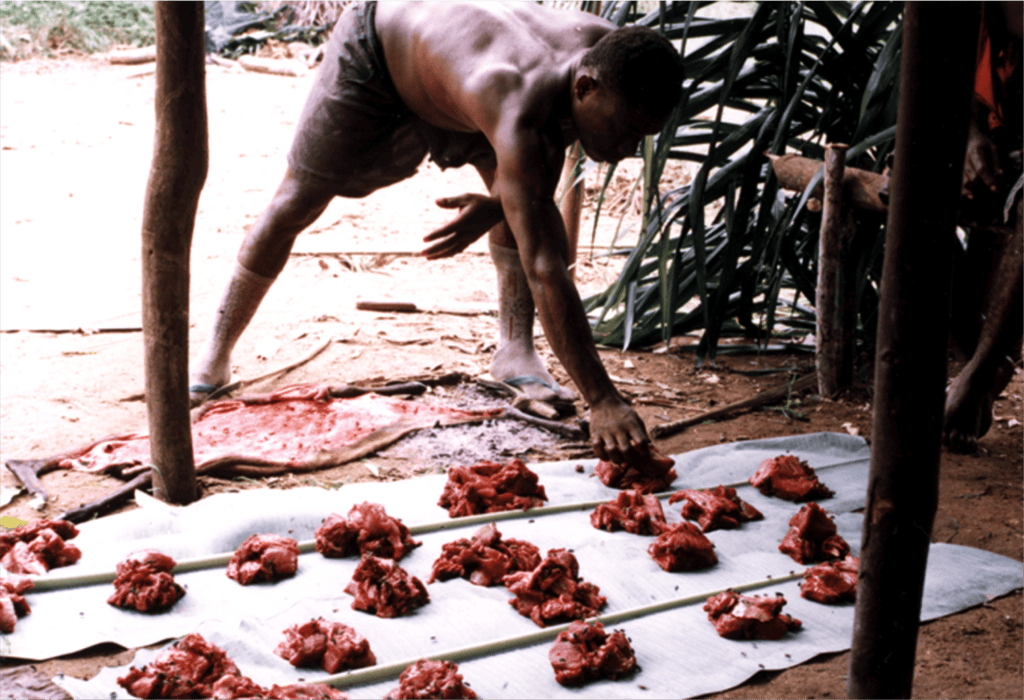
Sustainable futures for the Congo Basin depend on understanding the relationships between ecosystems and the people who depend on them. This theme explores environmental governance, environmental economics, community-based resource management, indigenous and local knowledge systems, participatory monitoring, ecosystem services, livelihood strategies, sustainability science, and science-policy interactions. Contributions highlighting innovative approaches that strengthen community resilience, support sustainable development, and foster community-based evidence-based decision-making are particularly welcome.
Conference proceedings
Conference proceedings will be compiled and published following the conference. When submitting your abstract, you will be asked to confirm whether you would like your abstract to be included in the proceedings. Please ensure that you answer this question during the submission process.
Please note: If you would like your abstract to be included in the conference proceedings, please ensure that it is submitted exactly as you wish it to appear in the final publication. We strongly recommend that you carefully review your abstract for spelling, grammar, and factual accuracy before submission. The conference organisers will publish abstracts as submitted and cannot accept responsibility for any errors or inaccuracies. All abstracts will be reproduced directly from the submitted version.
Scientific research talks and scientific research posters
Scientific research talks are 10 minute slots, with seven minutes for your presentation and three minutes for questions. Talks will be grouped thematically. Given limited space, we will not be able to accept all talks. You may be offered a poster instead. In many ways, a poster is better than a talk as it is more interactive, and more likely to lead to new meaningful research collaborations. If you are applying for a talk, we encourage you to choose “research talk and poster”, given the value of posters. If you are selected for a talk, we encourage you to also present a poster, as this allows more interaction with your work.
Scientific research posters: These are posters on your work, in a dedicated session, to maximise the number of people seeing your work. These will also be grouped thematically, to increase the number of people who interact with your work.
What to include in your abstract
To help ensure that your abstract includes the correct information, please ensure that it is less than 500 words in total and has four sections:
- Background and Purpose: The first few sentences of your abstract should describe why you embarked on this work and your overall purpose or objective.
- Methods: The next few sentences of your abstract should provide a description of how your research was done.
- Results: Arguably the most important portion of your abstract is the sentences conveying your results. This means data! If your study is not the kind to produce data, clearly summarise the results and findings. Do not include figures or tables and avoid nonstandard acronyms.
- Conclusions: The final sentences of your abstract should convey the impact or significance of your work to Congo Basin science.
For studies that do not describe laboratory or field experiments, such as reports on educational, ethics, legal, or social initiatives, authors should:
- Describe the research or assessment approach instead of experimental procedures. For example, for a systematic review, how this was done.
- Summarise the study’s results or findings explicitly.
- Clearly articulate the implications for stakeholders.
Care should be taken to clearly distinguish between statements based on documented facts versus opinions.
Length and references
Maximum of 500 words. There is no requirement to include references in your abstract. If you give references, they will be included in the word count and you should use short form (first author et al., year of publication, name of journal, volume number and starting page only).
Language
You must submit your title, abstract and keywords in French and English. A machine translation of your abstract into the other language is acceptable.
Number of abstracts
Authors are permitted to submit only one abstract for scientific research talks/posters as the presenting author. Additionally presenting authors can submit a maximum of one abstract for an innovation poster and a maximum of one proposal for another session. There is no restriction on the number of co-authorships.
How we review abstracts
Abstract reviewers first ensure that a submitted abstract clearly describes the background and purpose of the work, the methods used, the results obtained, and the conclusions drawn. From there, the reviewer assesses the quality of this information, and abstracts can be rejected for one of these reasons:
General Concerns
- The writing style is insufficient to clearly describe the goals, approach, outcome, and/or significance of the study.
- The abstract describes/promotes a commercial project without providing substantive scientific data/results.
- Unstructured assessments of a topic, without novel advances.
- The abstract raises important ethical concerns.
Scientific Concerns
- The abstract lacks sufficient data or results, or the abstract is a commentary without sufficient data or evidence.
- The abstract cannot stand alone, for example if it is one of several emanating from a single study.
- The abstract represents a review of published literature without a clearly identified novel interpretation or application, nor sufficient new data or knowledge.
- The experimental design and/or interpretation appears to be flawed or biased.
- The work appears fundamentally sound, but it is unclear in its connection and/or relevance to one of the six themes.
Innovation and Invention Posters
These are posters on a specific innovation or application of research within one of our six themes, e.g. an app, a new piece of equipment, a start up, or another applied solution related to sustainable development in the Congo Basin. These will be presented in their own session.
Your abstract should include at least:
- Background and purpose
- Description of the innovation or invention
- Applications (including any links to the CBSI observatory themes)
- Impact (real or expected)
Language
You must submit your title, abstract and keywords in French and English. A machine translation of your abstract into the other language is acceptable.
Number of abstracts
Authors are permitted to submit only one abstract for an innovation poster as the presenting author. Additionally presenting authors can submit a maximum of one abstract for scientific research talks/posters and/or a maximum of one proposal for another session. There is no restriction on the number of co-authorships.
Other Sessions
This is a space to propose another session, which could be a longer presentation, a panel discussion, or other specific issue of relevance the Congo Basin Science Initiative Science and Capacity Plan. Given time and space constraints we may not be able to include your idea for a session in the programme, but we will consider all proposals.
Your proposal should include:
- Short description of the proposed session (500 characters maximum)
- Description of the speakers of the proposed session
- Proposed length of the session
- Primary target audience (e.g. students, researchers, policy makers)
- Objectives of the session
- Expected outcomes
- Required equipment or other materials
- Time preference, day 1, 2 or 3, morning or afternoon
Language
If your proposal is selected, your description of the session (item 1) will be used in the programme to attract delegates to attend. The description must be provided in both French and English. A machine translation of your description into the other language is acceptable. You can answer other questions (2-8) in your preferred language, either French or English. Your answers to these questions will be evaluated by reviewers only.
Number of abstracts
Authors are permitted to submit only one proposal for another session as the presenting author. Additionally presenting authors can submit a maximum of one abstract for scientific research talks/posters and a maximum of one proposal for an innovation poster. There is no restriction on the number of co-authorships.